Vernon, BC, Canada / 1075 Beach Radio Vernon Pete McIntyre June 12, 2018 06:36 am
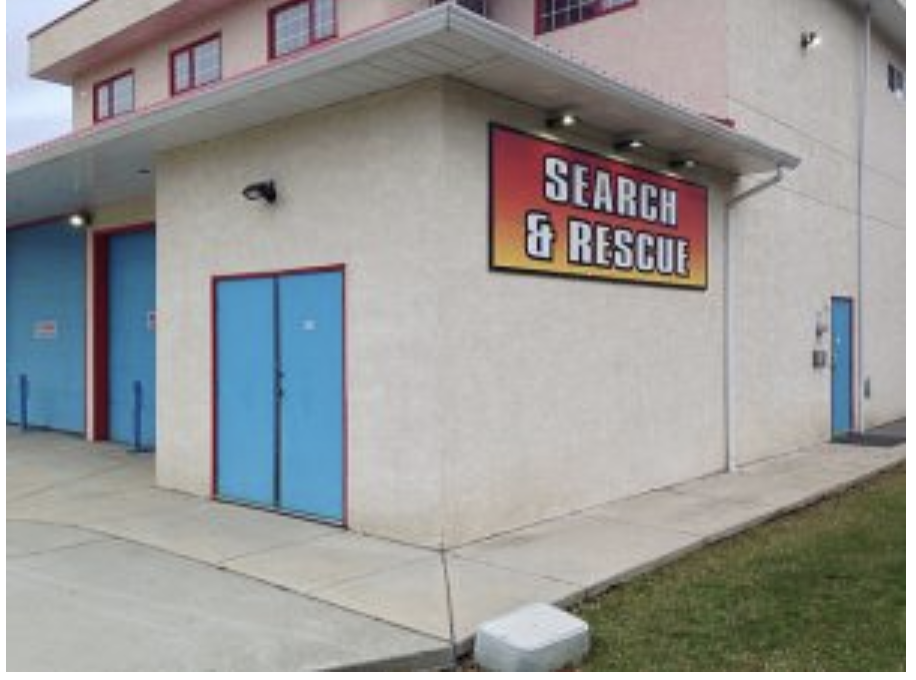
The biggest partner in the Regional District of North Okanagan has given its support to using an alternative approval process on the Vernon Search and Rescue borrowing question. Vernon council says it will support that process, as long as all the other RDNO partners do as well. “It’s happened in the past where the City of Vernon will support something and sometimes our partners don’t come on board. And when they don’t come on board, we get left holding the tab, as Vernon residents. So we want to make sure everybody is going to be on board,” Mund tells Beach Radio News. Councillor Juliette Cunningham says they have to take a stance. “We find ourselves being in part of functions that others aren’t, and all that means is it it costs our residents more.We’re just trying to make sure that everybody’s contributing to a service that is probably benefiting everybody,” says Cunningham. Mund feels there is a very good chance the measure will pass. “I don’t think there is an argument there (against the borrowing). You’ve got volunteers going out and rescuing people. That’s a pretty simple formula for people to support,” says Mund. The A-A-P — which still needs RDNO board approval — will determine if 3.5 million dollars is borrowed for land and a new building for the busy search group. Opponents of the plan would have to go to the RDNO office — or another location — during the process, and sign a form, saying they are opposed, with 10 percent of resident electors needed to derail the borrowing bylaw.
===========
2018 budget for Search and Rescue:
DON QUIXOTE VS. CITY HALL When an American gets mad, he says "where's my Gun". When a Canadian gets pissed off he says "Where is my pen, I'm going to send a letter to the EDITOR". When the EDITOR won't publish his letter he sets up his own BLOG page. When I received enough support to get a Council Seat the dogma of the establishment became : "Better to have him inside the tent pissing out, than outside pissing in." (Only time will tell !)
Showing posts with label Alt. App. Process(counter petition). Show all posts
Tuesday, June 12, 2018
Thursday, August 11, 2016
'Yes' gets campaign rolling
By Wayne Moore - CASTANET Aug 11, 2016 / 5:00 am
Two political heavyweights have joined forces in an effort to promote construction of a new city hall and civic centre in West Kelowna. Retired realtor Peter Wannop and former West Kelowna councillor God Milsom are co-chairing the 'Yes to the Civic Centre Committee.' The group recently registered with Elections BC and tomorrow, will officially open a storefront office. The office, in the Westridge Mall, will be staffed from 10 a.m. until 2 p.m. Monday to Saturday, beginning tomorrow. "The Alternative Approval Process showed there were quite a few people out there that were opposed to it for a variety of reasons," said Wannop of his decision to get involved. We started digging into it, and there, in our opinion, was a lot of misinformation being handed out about the city hall and civic centre. We thought we needed to get the facts out that, staying with the status quo and having the city hall where it is in a jammed, rat infested headquarters...was not good enough." He said staff deserve better and the city needs the civic centre, and needs it in the downtown core. "There have been numerous Westbank Centre revitalization plans done, which all point to having this located in the downtown core. We really believe it's the right time." Wannop also said the city also deserves to get the Mount Boucherie Community Centre back. The city has altered its original borrowing proposal, from the one defeated during the Alternative Approval Process. Now, when voters go to the polls for the Sept. 17 referendum, they will be asked to approve borrowing up to $7.7 million for the new facility on Elliott Road. The original bylaw asked for approval to borrow up to $10.5 million. The No side has been out in force since the city announced it would try to get voter assent through the AAP. While that campaign helped in getting about 15 per cent of the eligible electorate to vote no on the original proposal, Wannop believes not all of those people are against the new city hall. Wannop believes some of those people just wanted to ensure their voice was heard during a full referendum. Along with a storefront office, Wannop said the Yes side will also have a strong social media presence. They have established a website, Facebook page and Twitter feed.
Tuesday, June 14, 2016
End run around referendum
By Wayne Moore -CASTANET Jun 14, 2016 / 5:00 am
The City of West Kelowna may not have to go to referendum to get the funds needed to construct a new city hall after all. They may be able to use direct taxation to accomplish the task. The city used the provincially mandated Alternative Approval Process to obtain voter assent to borrow up to $10.5 million to construct a new city hall, part of a larger $30-million complex on Elliott Road. The bylaw was defeated when nearly 4,000 eligible voters said no to the proposal. After the province refused to give the city an extension to hold a fall referendum, council decided to scrap the borrowing bylaw altogether and wait for further information from staff, rather than attempt a city-wide referendum in the summer. A staff report with five options will be debated by council today. Two of those options would allow the city to use accumulated reserves to pay for the project and repay itself through a special parcel tax and other taxation. Council could approve the expenditure without voter assent – an end run around the referendum. A parcel is any designated area of land that does not include a highway; for example, a house and yard represent one parcel. Local governments can charge taxes against each parcel as one method of recovering its costs. A parcel tax can be imposed for a specific service for a property that may utilize that service. It must also specify the number of years the tax will be imposed. Should council approve the measure, between $7.2 and $8.2 million would be transferred from reserves. Those funds would need to be repaid within five years using a parcel tax and general taxation. It is being recommended between $57 and $72 be charged per parcel, per year. Interest of 1.7 per cent would be included in the repayment. A similar alternate recommendation would allow the city to transfer between $5.7 and $6.7 million from reserves, plus borrow $1.5 million which, again, would not require a referendum. Other recommendations to be considered by council would require a referendum, including development of a new borrowing bylaw. Council could also scrap the city hall project altogether.
------------
Report on options at http://www.districtofwestkelowna.ca/AgendaCenter/ViewFile/Item/2770?fileID=10405
The City of West Kelowna may not have to go to referendum to get the funds needed to construct a new city hall after all. They may be able to use direct taxation to accomplish the task. The city used the provincially mandated Alternative Approval Process to obtain voter assent to borrow up to $10.5 million to construct a new city hall, part of a larger $30-million complex on Elliott Road. The bylaw was defeated when nearly 4,000 eligible voters said no to the proposal. After the province refused to give the city an extension to hold a fall referendum, council decided to scrap the borrowing bylaw altogether and wait for further information from staff, rather than attempt a city-wide referendum in the summer. A staff report with five options will be debated by council today. Two of those options would allow the city to use accumulated reserves to pay for the project and repay itself through a special parcel tax and other taxation. Council could approve the expenditure without voter assent – an end run around the referendum. A parcel is any designated area of land that does not include a highway; for example, a house and yard represent one parcel. Local governments can charge taxes against each parcel as one method of recovering its costs. A parcel tax can be imposed for a specific service for a property that may utilize that service. It must also specify the number of years the tax will be imposed. Should council approve the measure, between $7.2 and $8.2 million would be transferred from reserves. Those funds would need to be repaid within five years using a parcel tax and general taxation. It is being recommended between $57 and $72 be charged per parcel, per year. Interest of 1.7 per cent would be included in the repayment. A similar alternate recommendation would allow the city to transfer between $5.7 and $6.7 million from reserves, plus borrow $1.5 million which, again, would not require a referendum. Other recommendations to be considered by council would require a referendum, including development of a new borrowing bylaw. Council could also scrap the city hall project altogether.
------------
Report on options at http://www.districtofwestkelowna.ca/AgendaCenter/ViewFile/Item/2770?fileID=10405
Tuesday, May 03, 2016
City hall on shaky ground
by Wayne Moore - CASTANET May 3, 2016 / 2:16 pm
City staff in West Kelowna are in the process of vetting more than 3,000 'no' forms which could, for the time being, scuttle the city's plans to build a new city hall. Registered voters in the city have until 4 p.m. today to drop off Alternative Approval process forms, effectively registering their opposition to the city's plan to borrow up to $10.5 million for construction of a new city hall on Elliott Road. In order to defeat the borrowing bylaw, 10 per cent of eligible voters, 2,603, must register their disapproval. A group which organized a vigorous no campaign, turned in about 3,000 forms Tuesday morning. Prior to that, the city had already received 694 forms.
Staff are in the process of verifying the validity of each form to ensure those who signed them live in the city, have signed only once and are confirmed registered voters. To be eligible, people must be 18 or over, a Canadian citizen, resident of B.C. for at least six months and a West Kelowna resident for at least 30 days.It will likely be Wednesday before an official tally is complete.
If the 10 per cent threshold is met, the city will have two choices: scrap the idea altogether or go to a full referendum. Opposition spokesman Ian Graham said they are not against a new city hall. "It was the fact that the city council wanted to use a back door, and from our point of view, an undemocratic, Alternate Approval Process to borrow the money rather than do what most of the citizens wanted, which is a proper and full citizen’s referendum vote at election time.” Graham said. “The citizens of West Kelowna have watched their sister city, Kelowna, borrow approximately $150 million through the Alternate Approval Process and do not want that happening to their own young city. The taxpayers are the ones that ultimately have to pay for all the borrowing and it can add up very quickly.” Graham said the city should look for an alternative space for city employees, until sufficient funding can be saved.
City staff in West Kelowna are in the process of vetting more than 3,000 'no' forms which could, for the time being, scuttle the city's plans to build a new city hall. Registered voters in the city have until 4 p.m. today to drop off Alternative Approval process forms, effectively registering their opposition to the city's plan to borrow up to $10.5 million for construction of a new city hall on Elliott Road. In order to defeat the borrowing bylaw, 10 per cent of eligible voters, 2,603, must register their disapproval. A group which organized a vigorous no campaign, turned in about 3,000 forms Tuesday morning. Prior to that, the city had already received 694 forms.
Staff are in the process of verifying the validity of each form to ensure those who signed them live in the city, have signed only once and are confirmed registered voters. To be eligible, people must be 18 or over, a Canadian citizen, resident of B.C. for at least six months and a West Kelowna resident for at least 30 days.It will likely be Wednesday before an official tally is complete.
If the 10 per cent threshold is met, the city will have two choices: scrap the idea altogether or go to a full referendum. Opposition spokesman Ian Graham said they are not against a new city hall. "It was the fact that the city council wanted to use a back door, and from our point of view, an undemocratic, Alternate Approval Process to borrow the money rather than do what most of the citizens wanted, which is a proper and full citizen’s referendum vote at election time.” Graham said. “The citizens of West Kelowna have watched their sister city, Kelowna, borrow approximately $150 million through the Alternate Approval Process and do not want that happening to their own young city. The taxpayers are the ones that ultimately have to pay for all the borrowing and it can add up very quickly.” Graham said the city should look for an alternative space for city employees, until sufficient funding can be saved.
Saturday, February 06, 2016
Referendum on city hall?
By Wayne Moore - CASTANET Feb 6, 2016 / 5:30 am
West Kelowna council will decide Tuesday how to engage the public on construction of a new city hall. Council will determine whether to go with a full referendum or use the alternative approval process. Taxpayers will be asked whether the city can borrow up to $10.5 million for the project. A maximum of $14.8 million will also be set for capital expenditures and non-construction costs. According to West Kelowna CAO Jim Zaffino, the amount being recommended is within the current 2016-2025 financial plan, with no additional tax increase required. The 32,000-square-foot civic centre on Elliot Road would be constructed, if approved, by Strategic BC Investments. It would house city hall and an office building owned by the developer. Interior Health has committed to moving some of its services into the office building. Two residential buildings are also proposed to be built on the site. These will be contingent on the economy and pre-sales. Under the provisions of an alternative approval process, 10 per cent of eligible voters would have to vote no to defeat the request for borrowing. The AAP would cost the city about $10,000, while a full referendum would cost approximately $48,000.
Friday, December 05, 2014
BX Firehall Project Moves Ahead
Written by Peter McIntyre 107.5 KISSFM Friday, 05 December 2014 17:00
Plans for a 1.5 million dollar expansion of the BX Swan Lake Firehall won't be derailed by the public. An alternative approval process by the Regional District of North Okanagan for the loan bylaw had just three people officially state their opposition to the plan. The process needed ten percent of the 4,625 qualified electors -- or 462 opponents -- to fail. The bylaw will next go to the RDNO board for adoption at their January 7th meeting.
Labels:
Alt. App. Process(counter petition),
fire,
RDNO
Sunday, October 05, 2014
Fund the fire hall?
by Roy Wood CASTANET - Oct 5, 2014 / 12:31 pm
Faced with a rebuff from citizens, Osoyoos town council must decide Monday whether to hold a referendum to approve funding for its controversial new fire hall or scrap the project and go back to the drawing board. Earlier this year, council decided to employ the so-called Alternate Approval Process rather than hold a referendum to approve the bylaw to borrow the approximately $6 million to build the new fire hall. Under the AAP, the only way for residents to stop the process was to sign a petition in sufficient numbers. The petition required 474 signatures to stop the town from proceeding. The deadline was Friday, Oct. 3 at 4:30. Jean Clarke, one of the organizers of the petition, said in an interview Saturday that her group gathered 1,037 signatures and presented it to the town at 4 p.m. Friday. The AAP tops the business section of Monday’s council meeting agenda. According to a report from staff, council has three choices:
Hold a referendum on the same day as the council elections, Nov. 15;
Hold a referendum after that time, but before Dec. 20; or
Let the bylaw fail and bring it back in the spring with sufficient changes to convince the provincial Inspector of Municipalities that it is a new project.
Senior staff has recommended that council either hold a referendum on Nov. 15 or scrap the project and bring it back later with changes.
![]() |
| Artist rendition of the proposed fire hall. |
Hold a referendum on the same day as the council elections, Nov. 15;
Hold a referendum after that time, but before Dec. 20; or
Let the bylaw fail and bring it back in the spring with sufficient changes to convince the provincial Inspector of Municipalities that it is a new project.
Senior staff has recommended that council either hold a referendum on Nov. 15 or scrap the project and bring it back later with changes.
Wednesday, February 19, 2014
Kelowna council urges voters not to oppose borrowing millions for new cop shop
by Alistair Waters - Kelowna Capital News posted Feb 17, 2014 at 5:00 PM
Kelowna is ready to borrow $42.4 million to pay for a new police building. And it hopes the public is ready to let it do so. On Monday, city council approved a plan to put the borrowing proposal to what is known as the alternative approval process, where the onus is put on opponents to the proposal to fill out official petition forms and return them the city clerks office at City Hall if they are against the city proceeding. If 10 per cent of eligible voters (9,484) object and fill out forms correctly, the city will either have to kill the project or put it to a referendum vote. The city says it is saving $60,000 by not holding a referendum on the borrowing. In the past, when the city has used the AAP to borrow money, the number of opponents filing out forms has bee, relatively small. Opponents will have five weeks to register their opposition. Forms can be picked up at City Hall or the Parkinson Recreation Centre and must be returned by close of business March 28. Prior to the deadline, the city will hold two open houses, Match 6 and 10 to explain the project to the public. The open house are slated for the Royal Anne Hotel and will run from 3:30 p.m. to 6 :30 p.m. each day. On Monday, city councillors urged voters not to oppose the borrowing. "Borrowing is the only way to go," said Coun. Andre Blanliel. "It's better to borrow the money than to take it out of taxation." Calling a new police building a necessity for the city, not an "extra," he said the existing police building on Doyle Avenue, parts of which dates back to the 1960s, has come to end of its useful life as the city's public safety centre. And, he added, if Kelowna does not built a new police building, the RCMP could do so and charge the city back the cost. That, he said, would give the city no control over the project or its cost. On the city's website, it says it is using the AAP because it has to build a new building to house the RCMP and wants to manage the process itself. Borrowing the money would create what Blanleil called intergenerational borrowing, spreading the cost out over future generations that will benefit from the new facility. The new building is slated for city owned land on Clement Avenue. It would replace the exiting Doyle Avenue building which has had two major additions and renovations over the years, as well as other minor work. That building is said to be too small, too old and not suitable for expansion, retrofit or retention as the city's public safety nerve centre. If the borrowing is not opposed by a sufficient number of city voters, the project could start later this year with construction commencing next year and completion slated for 2017. The cost to taxpayers of borrowing the money would be approximately $40 per household per year over 30 years starting after 2017.
Labels:
Alt. App. Process(counter petition),
Kelowna,
RCMP
Friday, February 14, 2014
Electorate get say on RCMP borrowing
by Wayne Moore - CASTANET Feb 13, 2014 / 7:00 pm
The sell job is over - now it's time for the voters of Kelowna to determine whether it will allow the city to borrow $42.3M for a new RCMP Detachment building. City Council is expected to give the go-ahead for an Alternative Approval Process (AAP) when it sits again Monday. The AAP would run until 4 p.m. Friday, March 28. Following first three reading of the Loan Authorization Bylaw Jan. 13, the bylaw was forwarded to the province for Statutory Approval. That approval was granted last week paving the way for the city to proceed with the AAP. Electorate approval is granted if the number of negative responses received through the process is less than 10 per cent of the number of eligible voters (9,484) by the deadline imposed. The new Police Services Building, which would replace the aging, 51-year-old detachment building on Doyle, is slated for construction on Clement Avenue.
---------
Taxpayers would begin feeling the impact of borrowing those funds beginning in 2015. The three year tax increase would be as follows:
2015 - 0.72% - Additional $12.27
2016 - 0.94% - Additional $16.36
2017 - 0.68% - Additional $12.27
Repayment would be over 30 years.
The sell job is over - now it's time for the voters of Kelowna to determine whether it will allow the city to borrow $42.3M for a new RCMP Detachment building. City Council is expected to give the go-ahead for an Alternative Approval Process (AAP) when it sits again Monday. The AAP would run until 4 p.m. Friday, March 28. Following first three reading of the Loan Authorization Bylaw Jan. 13, the bylaw was forwarded to the province for Statutory Approval. That approval was granted last week paving the way for the city to proceed with the AAP. Electorate approval is granted if the number of negative responses received through the process is less than 10 per cent of the number of eligible voters (9,484) by the deadline imposed. The new Police Services Building, which would replace the aging, 51-year-old detachment building on Doyle, is slated for construction on Clement Avenue.
---------
Taxpayers would begin feeling the impact of borrowing those funds beginning in 2015. The three year tax increase would be as follows:
2015 - 0.72% - Additional $12.27
2016 - 0.94% - Additional $16.36
2017 - 0.68% - Additional $12.27
Repayment would be over 30 years.
Labels:
Alt. App. Process(counter petition),
Kelowna,
RCMP
Tuesday, January 14, 2014
Kelowna residents to be asked to approve $42.3 million in borrowing for new cop shop
by Alistair Waters - Kelowna Capital News posted Jan 13, 2014 at 4:00 PM
The city has taken its first step towards borrowing $42.3 million for a new police services building. The building, slated for city-owned land on Clement Avenue in the North End, is expected to cost a total of $48 million, with $5.7 million coming from city reserves. On Monday, council authorized a borrowing bylaw, pending public approval, a step that had to be formalized before getting provincial support to use what it known as the "alternate approval process" to gain that public approval for the borrowing. The process puts the onus on the public to object to a city proposal rather than the city holding a vote on it. If opponents cannot gather 10 per cent of voters' signatures over a 30-day period, the proposal proceeds. If enough signatures are collected in time, the city can either hold a vote or drop the proposal. In the past, when the city has used the alternate approval process, it has succeeded because not enough opposition was registered. If successful, the city says it will start construction of the new police services building, to replace the aging, existing RCMP detachment building on Doyle Avenue downtown, in 2015. Construction is expected to be complete in 2017.
Labels:
Alt. App. Process(counter petition),
RCMP
Friday, September 20, 2013
Vernon Proposals Get BC Backing
Written by Peter McIntyre 107.5 KISSFM Friday, 20 September 2013 06:00
A couple of Vernon council resolutions have been endorsed by BC civic leaders. Mayor Rob Sawatzky says Uinion of BC Municipalities delegates in Vancouver have backed the idea to avoid holding alternate approvals or referendums for lower cost water projects. "So that we can borrow more quickly and respond more quickly to these legislated and required services, in the same way that we do with sewer (projects)," says Sawatzky. The BC mayors and councillors also approved Vernon's idea for making restorative justice a bigger part of dealing with crime. Meantime, Vernon's mayor likes a proposal to allow communities to hire non-RCMP officers for duties like writing traffic tickets. Sawatzky says that resolution from the city of Cranbrook was endorsed by civic leaders at the UBCM convention. He says it would allow regular officers to focus on more serious crimes, and save on costs. "Because one of the most expensive and difficult to control costs for communities, is policing," says the first term mayor. The resolutions will next go to the provincial government for consideration.
Labels:
Alt. App. Process(counter petition),
RCMP,
referendum,
UBCM,
Water
Sunday, June 16, 2013
Water plan needs public assent
By Richard Rolke - Vernon Morning Star Published: June 16, 2013 1:00 AM
Greater Vernon residents will have a say on multi-million-dollar upgrades. A petition process or referendum could be held in the spring or in November 2014 to determine if there is public support to borrow funds for the $111 million master water plan. “It’s important for the politicians to allow the public to weigh in on this,” said director Jim Garlick. The initial borrowing could be for $68 million and Garlick says there would be an awareness campaign leading up to any vote. “The public needs an opportunity to understand the plan and the Interior Health Authority requirements.” A negative vote, though, may not mean borrowing or the project have stalled. “If it’s not supported, there is the opportunity for IHA to step in and order it to be done. They could order us to borrow without (public) consent,” said Garlick. Option 2 provides for filtration to be provided at the Duteau Creek treatment plant for $26.5 million and at the Mission Hill plant for $30 million. There is also raising the height of the Aberdeen dam, an Okanagan Lake pump station, distribution improvements and separating irrigation water in Lavington from domestic use. The scope of the plan covers until about 2037. “The master water plan is being brought on us because of IHA requirements to have more safety built into the system,” said director (sic) Bob Spiers. “Water rates will definitely be impacted. You will see a doubling of rates in eight to 10 years as they are calculated now.” The plan does include pursuing senior government grants to try and offset the cost. “I hope the province and the feds will come in with their one-third, one-third (funding) as they have in other places,” said Spiers. The Greater Vernon Advisory Committee has recommended the master water plan to the Regional District of North Okanagan board, which will consider approval June 26. The document must also be ratified by the Interior Health Authority.
---------
Don Quixote Note: GVAC has recommended to to RDNO Board that Option 2 (111.71 million) be approved. This approval (or rejection) will come at the RDNO meeting 4pm June 26th. (Originally schedule for June 19.). The RDNO directors will receive TM1 to TM10 to guide their final decision.
((sic) Spiers is an Alternate Director only)
(Project) (Year planned) (Cost)
1. Duteau Creek WTP - Stage 1, 110 ML/d....2017....$26.5 million
2. Mission Hill WTP - Stage 1, 56 ML/d..... 2022.......$30 M
3. Aberdeen Dam Improvements - Raise Dam by 4 m.....2022....$6.41 M
4. Gold-Paradise Extension..... 2037......$3.6 M
5. Domestic System Distribution Investments.....2013 -2017..... $9.8 M
6. Lavington System Separation..... 2013-2017..... $19.5 M
7. Irrigation Main Twinning..... 2013-2017......$9.8 M
8. Twinning Transmission Main (Oversizing).....2013-2017......$3.5 M
9. Okanagan Lake Pump Station.....2014......$2.6 M
Total $111.71 million
---------------------------------
Greater Vernon residents will have a say on multi-million-dollar upgrades. A petition process or referendum could be held in the spring or in November 2014 to determine if there is public support to borrow funds for the $111 million master water plan. “It’s important for the politicians to allow the public to weigh in on this,” said director Jim Garlick. The initial borrowing could be for $68 million and Garlick says there would be an awareness campaign leading up to any vote. “The public needs an opportunity to understand the plan and the Interior Health Authority requirements.” A negative vote, though, may not mean borrowing or the project have stalled. “If it’s not supported, there is the opportunity for IHA to step in and order it to be done. They could order us to borrow without (public) consent,” said Garlick. Option 2 provides for filtration to be provided at the Duteau Creek treatment plant for $26.5 million and at the Mission Hill plant for $30 million. There is also raising the height of the Aberdeen dam, an Okanagan Lake pump station, distribution improvements and separating irrigation water in Lavington from domestic use. The scope of the plan covers until about 2037. “The master water plan is being brought on us because of IHA requirements to have more safety built into the system,” said director (sic) Bob Spiers. “Water rates will definitely be impacted. You will see a doubling of rates in eight to 10 years as they are calculated now.” The plan does include pursuing senior government grants to try and offset the cost. “I hope the province and the feds will come in with their one-third, one-third (funding) as they have in other places,” said Spiers. The Greater Vernon Advisory Committee has recommended the master water plan to the Regional District of North Okanagan board, which will consider approval June 26. The document must also be ratified by the Interior Health Authority.
---------
Don Quixote Note: GVAC has recommended to to RDNO Board that Option 2 (111.71 million) be approved. This approval (or rejection) will come at the RDNO meeting 4pm June 26th. (Originally schedule for June 19.). The RDNO directors will receive TM1 to TM10 to guide their final decision.
((sic) Spiers is an Alternate Director only)
(Project) (Year planned) (Cost)
1. Duteau Creek WTP - Stage 1, 110 ML/d....2017....$26.5 million
2. Mission Hill WTP - Stage 1, 56 ML/d..... 2022.......$30 M
3. Aberdeen Dam Improvements - Raise Dam by 4 m.....2022....$6.41 M
4. Gold-Paradise Extension..... 2037......$3.6 M
5. Domestic System Distribution Investments.....2013 -2017..... $9.8 M
6. Lavington System Separation..... 2013-2017..... $19.5 M
7. Irrigation Main Twinning..... 2013-2017......$9.8 M
8. Twinning Transmission Main (Oversizing).....2013-2017......$3.5 M
9. Okanagan Lake Pump Station.....2014......$2.6 M
Total $111.71 million
---------------------------------
2012 Master Water Plan
- TM1 Domestic & Agricultural Water Demand Forecast
- TM2 Evaluation of Water Supply Source
- TM3 Source Storage and Supply
- TM4 Domestic Water System Analysis
- TM5 Independent Agricultural System
- TM6 Water Conservation Strategies
- TM7 Water Treatment
- TM8 GVW Financial Issues and Principles to Support the Master Water Plan
- TM9 System Separation Option Analysis (DRAFT)
- TM10 Financial Plan (DRAFT)
Labels:
Alt. App. Process(counter petition),
GVAC,
RDNO,
referendum,
Water,
water rates
Citizens get chance to force vote on new RCMP building
Saturday, 15 June 2013 18:00 Kelowna Daily Courier
Kelowna residents will get the chance this fall to say whether they support construction of a new RCMP detachment. An alternate approval process is tentatively set for November to secure citizen endorsement of the city's plan to borrow millions of dollars for the new police building. City council is expected Monday to authorize preparation of design plans for the new building, to be constructed on Clement Avenue, between Richter and St. Paul streets. The city's capital plan currently projects a budget of about $46 million for the new detachment. Borrowing to secure the necessary funds will go ahead unless 10 per cent of city residents sign petitions asking the project be put to a referendum. It is anticipated the new building would be about 86,000 square feet, more than double the size of the current detachment on Doyle Avenue. More than 300 RCMP members, municipal staff, auxiliaries, Crime Stoppers personnel and volunteers will work out of the new building, which has an anticipated completion date of 2016-17.
Labels:
Alt. App. Process(counter petition),
Kelowna,
RCMP
Monday, April 15, 2013
Voters will get say on $1.6-million emergency dispatch upgrade
By Joe Fries - Penticton Western News Published: April 13, 2013 3:00 PM
Voters will get a chance to weigh in on the proposed $1.6-million upgrade of the regional 911 dispatch system. The agenda for Thursday’s meeting of the Regional District of Okanagan-Similkameen includes a staff report that recommends directors initiate an alternate approval process to gain the public’s authorization to borrow the necessary funds. Unlike a referendum, the alternate approval process requires only those against the borrowing to register their opposition. If 10 per cent of eligible voters do so, a full referendum would be triggered. The staff report does not indicate who is considered an eligible voter within the RDOS. It does note, however, that borrowing $1,640,000 over 10 years is expected to result in an annual debt servicing cost of $210,000. That will cost property owners $2.54 per $200,000 of assessed value. An overhaul of the dispatch system was recommended in November 2012 by a consultant who told RDOS directors that luck alone has prevented a major public safety mishap due to the antiquate setup in place now. The upgraded system would group 16 regional fire halls into three zones. Fire departments within each zone would then share a radio link to dispatch in Kelowna. The Penticton Fire Department, which receives 70 per cent of the region’s calls, would maintain its separate connection to dispatch, and Summerland would lose its individual link. In March, adoption of the RDOS budget was stalled by debate on the upgrade, and directors for Summerland and Osoyoos eventually voted against it. Under the current cost-sharing arrangement, the City of Penticton would pay about 40 per cent of the upgrade cost, despite receiving the least benefit from system improvements.
Labels:
Alt. App. Process(counter petition),
fire,
fire dispatch,
RDNO
Thursday, October 25, 2012
South East water upgrades defeated
CHBC Thursday, October 25, 2012 5:00 AM
A proposal for a multi-million dollar upgrade to the South East Irrigation District’s water system has been defeated. Residents hooked up to the system were asked whether they wanted to borrow more than $15 million for the upgrades through the alternative approval process. “The AAP required ten percent or more of eligible voters to register their opposition to the bylaw to prevent the bylaw from moving forward,” says SEKID manager, Toby Pike. “With 3,309 landowners eligible to vote, the ten percent threshold required 330 responses. At the closing of the AAP period October 25, 2012, one thousand and sixty-five (1,065) responses were received, representing 32% of eligible voters.”
He says the purpose of the bylaw was to help fund the $22.3 million water quality improvement project in order to fully comply with health regulations. “SEKID has been working hard for several years to find the best way to upgrade its domestic water system,” says board chair Brian Wright. “We are disappointed we cannot move forward with the project at this time. The message we have heard time and again is that the community is in favour of the project but are not willing to move forward without government funding assistance.“ He says SEKID has met with government but there’s been no firm commitment for funding. He says the defeat of the borrowing bylaw means the district is unable to comply with the Conditions on Permit required by Interior Health on the district’s operating permit. “Without the ability to borrow money to fund the project we are not in compliance with our operating permit issued by the health authority,” says Pike. “We will have to sit down with Interior Health and see what our options are for moving forward.” Residents would have seen their monthly water toll rates climb to $114 per month, triple the current rate had the bylaw been approved.
A proposal for a multi-million dollar upgrade to the South East Irrigation District’s water system has been defeated. Residents hooked up to the system were asked whether they wanted to borrow more than $15 million for the upgrades through the alternative approval process. “The AAP required ten percent or more of eligible voters to register their opposition to the bylaw to prevent the bylaw from moving forward,” says SEKID manager, Toby Pike. “With 3,309 landowners eligible to vote, the ten percent threshold required 330 responses. At the closing of the AAP period October 25, 2012, one thousand and sixty-five (1,065) responses were received, representing 32% of eligible voters.”
He says the purpose of the bylaw was to help fund the $22.3 million water quality improvement project in order to fully comply with health regulations. “SEKID has been working hard for several years to find the best way to upgrade its domestic water system,” says board chair Brian Wright. “We are disappointed we cannot move forward with the project at this time. The message we have heard time and again is that the community is in favour of the project but are not willing to move forward without government funding assistance.“ He says SEKID has met with government but there’s been no firm commitment for funding. He says the defeat of the borrowing bylaw means the district is unable to comply with the Conditions on Permit required by Interior Health on the district’s operating permit. “Without the ability to borrow money to fund the project we are not in compliance with our operating permit issued by the health authority,” says Pike. “We will have to sit down with Interior Health and see what our options are for moving forward.” Residents would have seen their monthly water toll rates climb to $114 per month, triple the current rate had the bylaw been approved.
Labels:
Alt. App. Process(counter petition),
Water
Saturday, September 15, 2012
Citizens get say on new parkade
by Wayne Moore - Castanet Sep 15, 2012 / 1:30 pm
Registered voters in Kelowna will get a chance to decide whether they support construction of a new parkade in conjunction with Interior Health's proposed downtown office complex. In order to borrow $14M for a new parkade next to Memorial Arena and a further $1M for expansion of the Library Parkade, the city must initiate an Alternative Approval Process (AAP). If City Council gives its approval for the AAP, electors will have until 4 p.m. Friday, October 26 to voice their opposition. By the end of the process, if less than 10 per cent of the electorate (9,484) oppose the borrowing bylaw then the city is free to go ahead. If more than 10 per cent petition against the bylaw, the city would have to either scrap the project or go to a full city-wide referendum. City Council approved the new parkade and expansion of the Library parkade in an effort to provide parking for approximately 1,000 IH workers as well as make up for lost parking spots on the site of the proposed IH complex bordering Ellis Street, Doyle Avenue and St. Paul Street. The new parkade is on lands protected by the Kelowna Sawmill Covenant. Sharon Simpson, who's grandfather Stanley donated the land to the city is vehemently opposed to the parkade stating it is a commercial enterprise which is contrary to the guidelines set out by the covenant. Four years ago Simpson won a challenge against the city in the BC Supreme Court. The judge in that challenge ruled the land is the subject of an historic document preventing the lands from being used for commercial purposes. Simpson is questioning the city's wisdom in going down this road again. For its part, the city says it has received a legal opinion that building a parkade does not contravene the covenant.
Labels:
Alt. App. Process(counter petition),
Kelowna,
legal
Tuesday, July 24, 2012
Council moving ahead on possible utility sale
Tuesday, 24 July 2012 02:00 Kelowna Daily courier Ron Seymour
The proposed sale of Kelowna's municipally-owned electrical utility to FortisBC was given a preliminary endorsement Monday by city council. Councillors unanimously agreed to sign a memorandum of understanding aimed at developing the specific terms of the possible sale, which might net the city as much as $50 million. "I think a partnership is the way to go," said Coun. Andre Blanleil. "It's a very interesting, complex proposal," said Coun. Robert Hobson, adding the public will want to be assured the proposed sale is in the municipality's best financial interest. Public meetings on the proposal will be held this fall, and the deal analyzed by an independent third-party, council heard. The so-called alternate approval process would be used to gain citizen support and the sale, if approved by the British Columbia Utilities Commission, could be finalized next spring. A key reason the city is considering selling the utility is that estimates are the aging, relatively small system will require $70 million worth of upgrades within the next two decades. "The reality is the utility business is getting more specialized and complicated, and its not something the city has expertise in," Blanleil said. Although the utility is owned by the city, its day-to-day operation and maintenance has been contracted out to FortisBC for more than a decade. The utility currently generates a yearly profit of $2.1 million for the city, with that money directed into general revenues. If the utility were sold for the projected price of $50 million, the city would take that money and invest it back into FortisBC. Those investments, council heard, are expected to generate an annual return that is at least equal to $2.1 million. Current customers of the city utility would not likely notice any difference in the service, and the rates they pay are already equivalent to those charged to FortisBC customers elsewhere in Kelowna. "It would truly be a seamless service change," senior city staffer Derek Edstrom told council. Under the alternate approval process, the sale would automatically go ahead unless 10 per cent of city voters, or about 9,000 people, signed a petition against it. If that were to happen, council would have the choice of abandoning the sale proposal, or putting the idea to voters directly in a referendum.
Friday, July 20, 2012
Referendum wouldn't stop New Westminster office tower from being built
By Grant Granger - New Westminster News Leader Published: July 20, 2012 3:00 PM
Even if a campaign to force a referendum on New Westminster's $59 million borrowing bylaw is successful, and even if the bylaw is defeated in the referendum it wouldn't stop construction of the office tower connected to the city's new civic centre according to city officials. It would mean, however, the city would have to look at other ways to pay for the infrastructure projects for which the bylaw authorizes borrowing for, said Coun. Jonathan Coté. "The project itself will still go ahead," said Coté. That's because construction on the civic centre and the office complex is already underway, said Coté. He pointed out most of the construction will be paid for through casino money and city reserves. If the city proceeds with its plan to borrow up to $59 million, it will be from the Municipal Finance Authority (MFA). The money will be for roads, parks and other infrastructure capital projects that would previously be paid for through city reserves. "Basically the city is committed to building the office tower," said city finance manager Gary Holowatiuk. Former mayoral candidate James Crosty has launched a campaign calling for a referendum on whether the city should take the $59-million loan. At least 4,528 signatures, which represents 10 per cent of eligible voters in the 2011 civic election, must be collected by Aug. 7 to force a referendum on the loan bylaw. "The city would have a couple of options, it could go to referendum, or we would have to find an alternative way for the financing to work," said Coté of the consequences should enough signatures be submitted. "If there's a problem with the bylaw we would definitely have to find alternate plans for some of those projects. A number of those are a number of years down the road." (more)
Monday, July 16, 2012
BC: View Royal Kills Fire Hall Loan
Jordan Bateman Posted: July 16, 2012 Taxpayers.com
Vancouver Island city councils, take note: Islanders are tired of borrowing money for big capital projects. As the Times Colonist reported on the weekend, View Royal voters became the third Island municipality to overturn a borrowing bylaw in recent years:
The
failed attempt to borrow $8 million for a new fire hall in View Royal
has led to criticism of the method chosen to obtain approval for the
loan.
About 1,300 people filed
petitions to stop the municipality’s proposed loan, nearly double the
770 required. A common concern expressed to council was that the price
was too high for a fire hall.
View
Royal became the third municipality in the Capital Regional District to
have a major initiative blocked by voters through an alternative
approval process.
When
municipalities want to borrow large amounts of money, they have to get
approval from voters, either through a referendum or the alternative
approval process. Under the alternative process, the spending can be
stopped if 10 per cent of voters file petitions against the loan.
The
system is designed to gauge public opinion for spending taxpayers’
money, and often goes unnoticed when projects, such as Langford’s new
bowling alley, move ahead with wide support. But increasingly, people
view the process as a tool used by politicians to keep projects under
the radar.
As long as governments are willing to incur massive
debts, taxpayers are going to use these processes. It would behoove
mayors and councillors to be proactive and use referenda more often.
Tuesday, June 19, 2012
Not a single Enderby resident took pen to paper against borrowing big dollars to prevent flooding. No signatures were obtained as part of an alternate approval process petition to borrow up to $850,000 to replace storm sewer
collection pipes along Regent Avenue from Highway 97A to Brickyard
Road, make improvements to the storm sewer lift station, and replace
other damaged drainage pipes. “It says that people in the community are well aware of the need to do the work,” said Mayor Howie Cyr. Under the alternate approval process, 10 per cent of
Enderby’s voters or 248 people were needed to sign a petition to block
borrowing the funds over 20 years. The city decided to proceed with upgrades after
torrential rainfall last summer forced some storm sewers to back up.
That created extensive flooding for residences and businesses. “The incidents of last year put an exclamation mark on our storm sewer system,” said Cyr. Council adopted the borrowing bylaw Monday. Staff will now proceed with tendering so the work can begin. Residents currently have an opportunity to sign two other petitions before July 31. The city wants borrow up to $1.2 million for road
improvements on Regent Avenue and Knight Street and storm drainage along
Highway 97A. Public assent is also being sought to borrow up to $233,000 for upgrades to Sicamous Street.
Subscribe to:
Posts (Atom)


